Sunshine Coast Birds
Birding and other wildlife experiences from the Sunshine Coast and elsewhere in Australia - and from overseas - with scribblings about travel, environmental issues, kayaking, hiking and camping.
Tuesday, 1 September 2020
North Queensland Road Trip Winter 2020 – The home stretch: Cairns to Gin Gin
Following a visit to Julatten (next post) it was time to head for Cairns and the journey home. The coastal drive from Port Douglas to Palm Cove was magnificent as usual; I’ve done this drive many times and it never disappoints.
We overnighted in Palm Cove. Buchan’s Point Beach nearby (above) is another favourite spot. We had three pleasant nights at Lake Placid (below) on the northern outskirts of Cairns and two more with relatives. on the city’s southern outskirts.
We checked out Les Davies Park in Cairns where a Rufous Owl (first image and below) had been roosting. The bird is not always there so we were pleased to find it perched high up in a strangler fig.
Nearby around Centenary Lakes we had nice views of Double-eyed Fig-Parrot and Black Butcherbird.
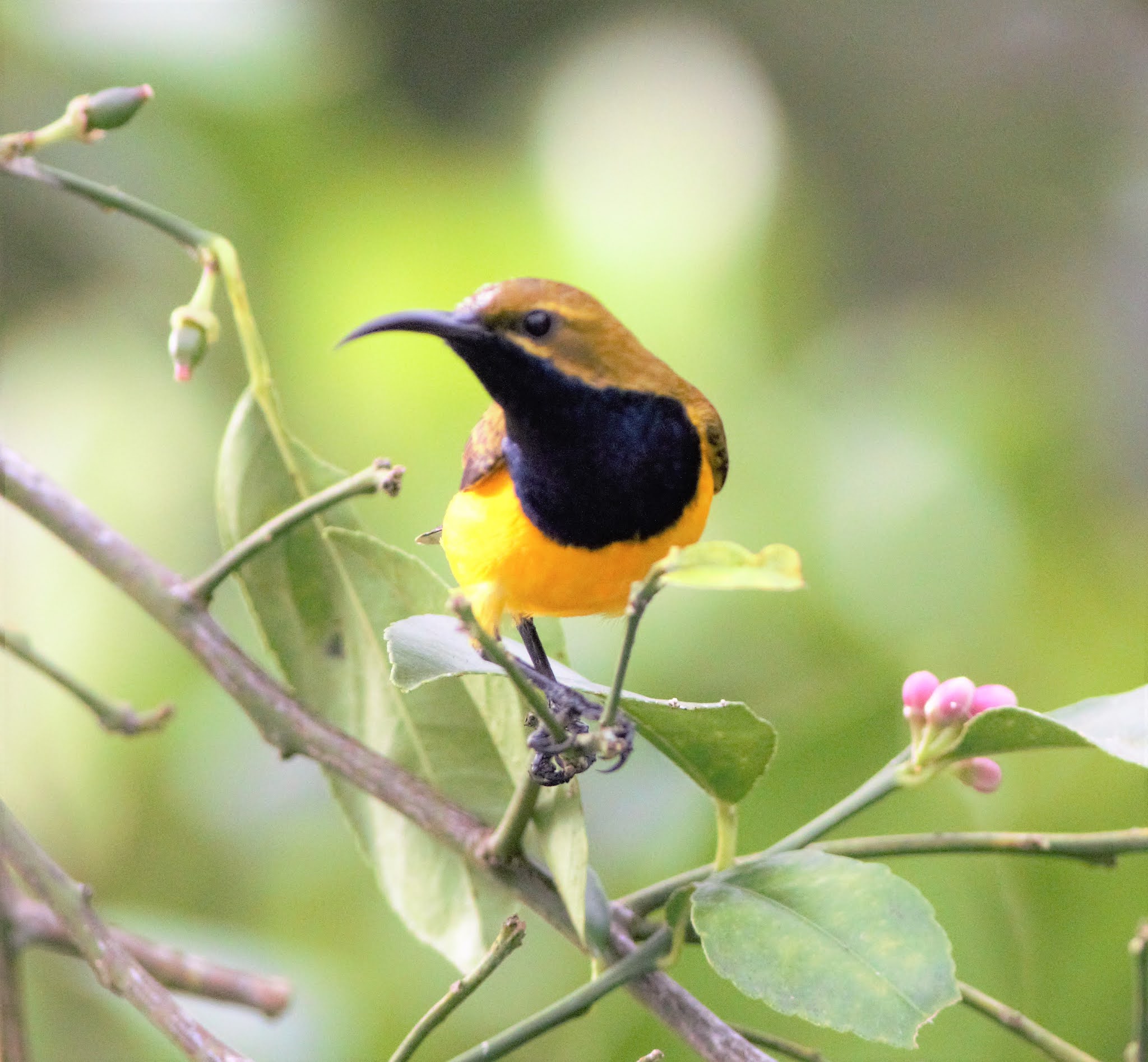
Yellow Oriole and Olive-backed Sunbird were common about Cairns.
As was Orange-footed Scrubfowl.
A couple of nights were enjoyed at Mission Beach, where good numbers of early returning migratory Shining Starlings and Torresian Imperial-Pigeons were spotted.
We had two nights at Jourama Falls, near Ingham. I tried in vain to find a Mahogany Glider here, a known site. The falls were an impressive sight.
Plenty of good birds were about the campground including an absurdly tame Noisy Pitta and a showy male Yellow-breasted Boatbill.
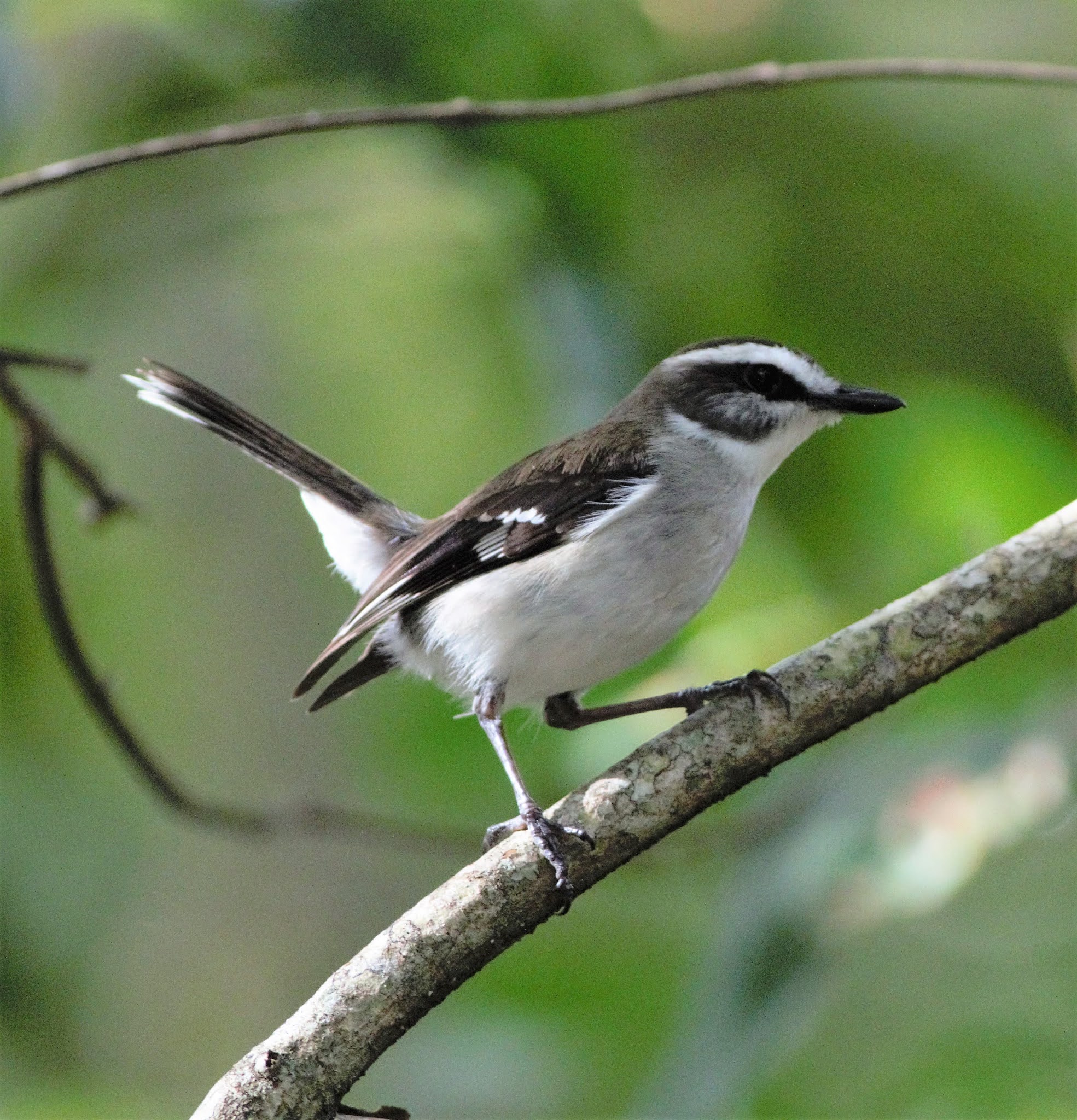
Other birds included Brown-backed Honeyeater, Grey Whistler and White-browed Robin.
Large-billed Gerygone was vocal and an Australian Owlet-Nightjar was seen at night.
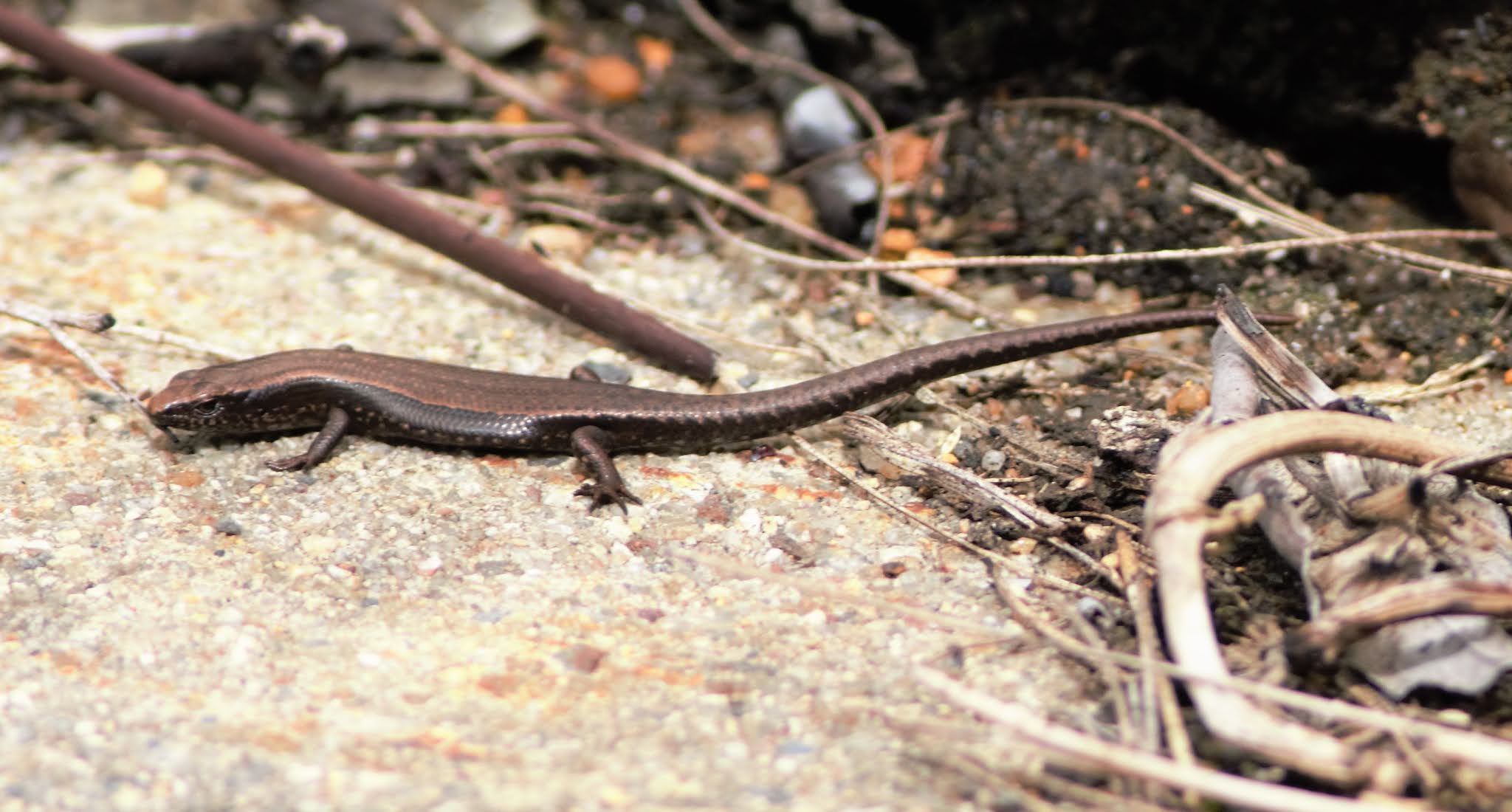
Non-avian critters to catch the eye included Black-throated Rainbow Skink and Northern Stony Creek Frog.
Moving further south we spent a couple of nights in Townsville. Best bird during a quick visit to the Common was a flock of Crimson Finches.
Then it was on to Bowen, where no fewer than 30 Radjah Shelducks were present on Mullers Lagoon.
A couple of days in Rockhampton were next on the agenda. A morning visit to the usual Yellow Chat sites along the Port Alma Road and near Marmor failed to turn up any chats though a Zitting Cisticola performed well near the Port Alma Road saltworks. After that it was an overnight stay in Gin Gin and then home.
Monday, 31 August 2020
North Queensland Road Trip Winter 2020 – Mt Lewis & Julatten
Daintree River Ringtail, Southern Boobook (lurida subsp), Lesser Sooty Owl, Bassian Thrush (cuneata subsp), Chestnut-breasted Cuckoo and my namesake reptile (Grey-bellied Sunskink, above) were the highlights of a 3-day visit to the Mt Lewis-Julatten area earlier this month. Leaving southern Cape York behind (following post) we settled in to the delightful FeatherNFriends camping ground a few kilometres north of Julatten.
The first morning turned up a vocal Chestnut-breasted Cuckoo in rainforest not far from the camping ground. This species was once thought to be restricted to northern Cape York in Australia but has been recorded reliably from several sites around the Carbine and northern Atherton tablelands, as well as the Cooktown area. It was thought to be a summer migrant to these forests but a small population is resident near Julatten.
I arranged to head up to near the top of Mt Lewis (a 28-kilometre drive) with local herpetologist Grant Husband. The goal was to find and photograph a Grey-bellied Sunskink (Lampropholis robertsi - below). The species was named after me in 1991 by well-known zoologist and taxonomist Glen Ingram for my “services to wildlife conservation”. It is found only in high altitude rainforest and heath around the summits of a handful of wet tropics mountains, including Mt Lewis.
It was a gloomy day; not looking hopeful for a sunskink sighting. Reptile enthusiasts had left small sheets of roofing iron around a hut at the road end so skinks could easily be found sheltering. National park rangers, however, had tidied all these up. Grant (image below) eventually spotted a sunskink emerging from a crack at the base of the hut when the sun made one of its brief appearances.
Around the hut under logs we found a Fry’s Frog (Austrochaperina fryi) while earlier, further down the mountain, we located a Brown-tailed Bar-lipped Skink (Glaphyromorphus fuscicaudis).
We walked a short distance through the forest to an escarpment and enjoyed the view over the surrounding World Heritage-listed rainforest.
A short distance down the mountain we saw a Bassian Thrush roadside; this subspecies, a likely future split, is endemic to the highlands of the wet tropics - it is uncommon generally and in decline on Mt Lewis. Two other endemic subspecies from the wet tropics mountains - the keasti race of the Grey Fantail (below) and nigrescens race of the Crimson Rosella - were also seen.
I looked unsuccessfully around Julatten for Blue-faced Parrot-Finch but lots of nice birds were about including Graceful Honeyeater (above) and White-cheeked Honeyeater and Lemon-bellied Flycatcher (below).
I returned to Mt Lewis for an evening visit. Walking uphill from the road end, I found a Daintree River Ringtail, a much-wanted lifer mammal. Unfortunately my camera settings were out so the image is a tad blurred.
Also seen were a couple of Green Ringtails.
On the drive back I tracked down a roadside Southern Boobook. Another subspecies endemic to the high altitude wet tropics and a potential split, this bird (sometimes referred to as the Little Red Boobook) can be difficult to see as it tends to keep well inside the rainforest. The Mt Lewis bird was more co-operative than several I’d tried unsuccessfully to photograph at Chambers Lodge. While I was engaged with the boobook, a Lesser Sooty Owl appeared abruptly, landing in a tree beside the road. I got the owl in my camera frame only for the boobook to swoop at the bird, driving it away. I found another Lesser Sooty Owl roadside further on but it too was quick to disappear into the forest.
Sunday, 30 August 2020
North Queensland Road Trip Winter 2020 – Golden-shouldered Parrot
After checking out Red Goshawks and other goodies around Musgrave Roadhouse on Cape York (see following post) we headed 25km south along the Peninsula Development Road to Artemis Station, a sprawling 125,000-hectare cattle property. The savannah woodlands of Artemis have become the go-to hotspot for the endangered Golden-shouldered Parrot. Camping is possible on the property, owned by fourth generation graziers Sue and Tom Shepherd.
When I last saw Golden-shouldered Parrot, in 1982, they were easy to find along the main road. Numbers have plummeted since then. Sue Shepherd has been monitoring the parrots closely on Artemis for the past decade. She believes numbers have declined by about 80 per cent since then: “Once we would find 100 nests in a season. Now we’re flat out finding 10. There aren’t as many flocks and the flocks aren’t as big.”
Sub-adult male and female (above and below). This decline is believed to be due primarily to cattle grazing. Sue explains that there is usually an adequate seed supply in grasses in the dry season for the parrots, but perennial grasses in the west season are heavily browsed. This means relatively little seed is available during the wet season; the parrots begin nesting at the end of the wet. As well, grazing has substantially reduced grass levels, and the cropped grass favours Agile Wallabies, which have risen sharply in numbers. Pressures from grazing are believed to be responsible for the extinction of the Paradise Parrot, a close relative of the Golden-shouldered, in southern Queensland.
Says Sue Shepherd: “Between the cattle and the wallabies, the parrots haven’t got a chance. What are we supposed to do? We have to make a living.” She does what she can, and that includes leaving out an abundance of seed for the parrots. Near the homestead it is possible to approach the parrots quite closely at the feeding station. A flock of 6-10 birds was seen regularly at the feeders during our overnight stay, only one of which was an adult male in full plumage (first image, with adult female, also below).
The parrot favours the sharply shaped, conical “witch’s hat” termite mounds for nesting, because their narrowness gives the birds better vision at the nest hole. That hasn’t saved them from predation by feral cats, which have been filmed dragging nestlings out of termite mound chambers. This is an additional threat to the species. Cats learn new hunting habits that can have devastating consequences. Sue has found nests between just 30 centimetres and two metres from the ground. She is pictured here beside a termite bound nest that hosted a successful nesting of parrots this year.
The Queensland Government’s recovery plan for the species estimates its population at less than 2000; Bush Heritage Australia claims it could be as low as 780. The Golden-shouldered Parrot is endemic to the woodlands of central Cape York Peninsula, restricted to an area of about 3,000 square kilometres.
Other species at Artemis included Blue-winged Kookaburra (above) and Red-browed Pardalote (below).
Subscribe to:
Posts (Atom)